The LEGO® Group • 2024
Validating and delivering
a new payment method
- Role
- Design Intern
- Teammates
- 1 Senior Designer
1 PM
7 Engineers - Duration
- 3 months
- Responsibilities
- User Research
UX Design
Overview
The LEGO In-store Shopping App is a version of LEGO.com stripped down into a native app
The app helps store associates make delivery purchases for customers.
LISA’s default payment method can not be used outside of the UK, discouraging global adoption.
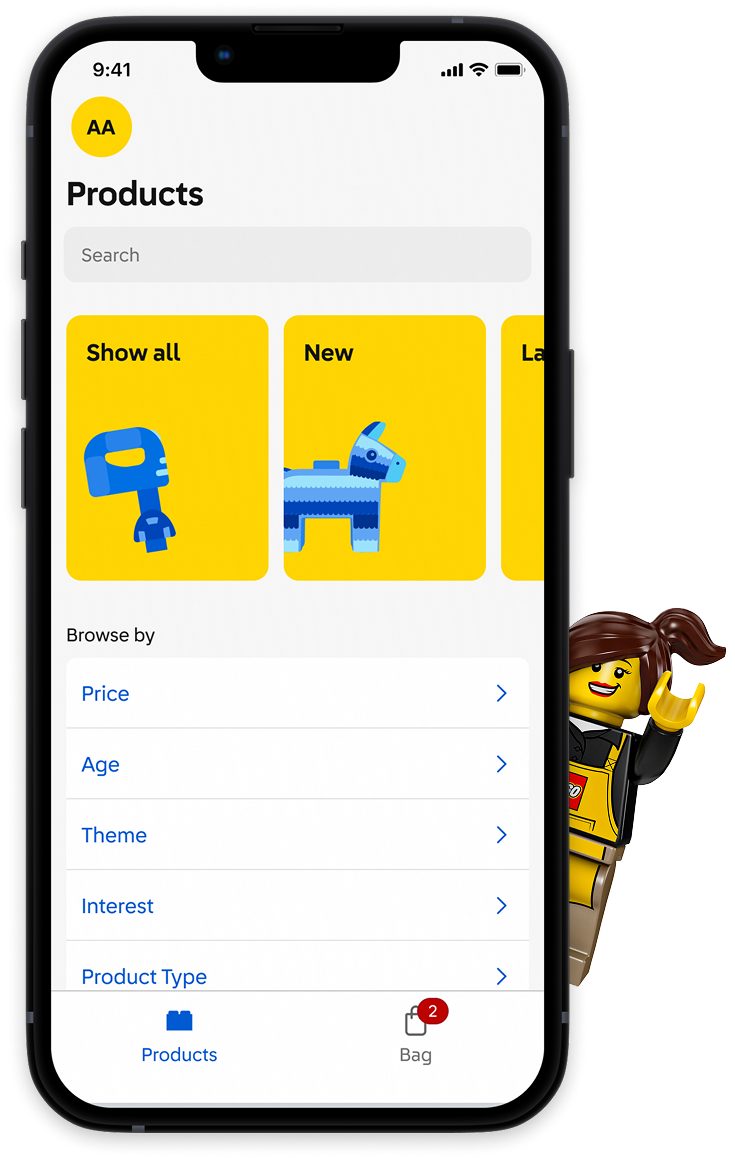
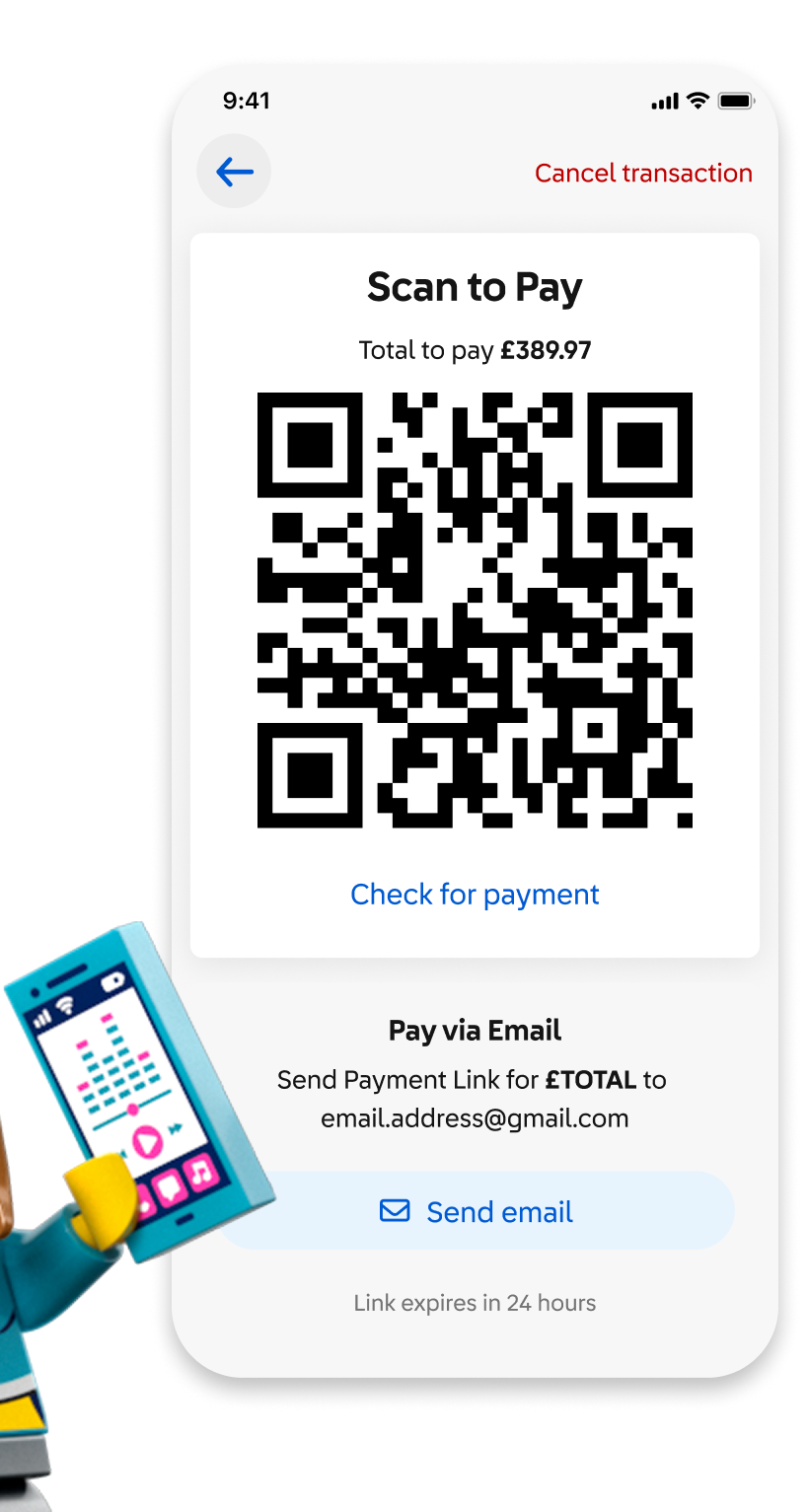
Pay by Link (payment via QR code and email) can overcome this financial barrier, theoretically...
But we don’t know how users feel and if it will work.
Here’s how we validated and successfully implemented Pay by Link
Customers
How do our customers feel about it?
White paper research supported the proposition of Pay by Link, but to truly know how both customers and store associates feel about the payment method, we conducted user research.
Survey 582 participants EMEA & America
I synthesised the data from the survey and learned customers feel confident about payment links via QR Code or email. This increased our confidence as we continued further exploration
Early concept
User flow
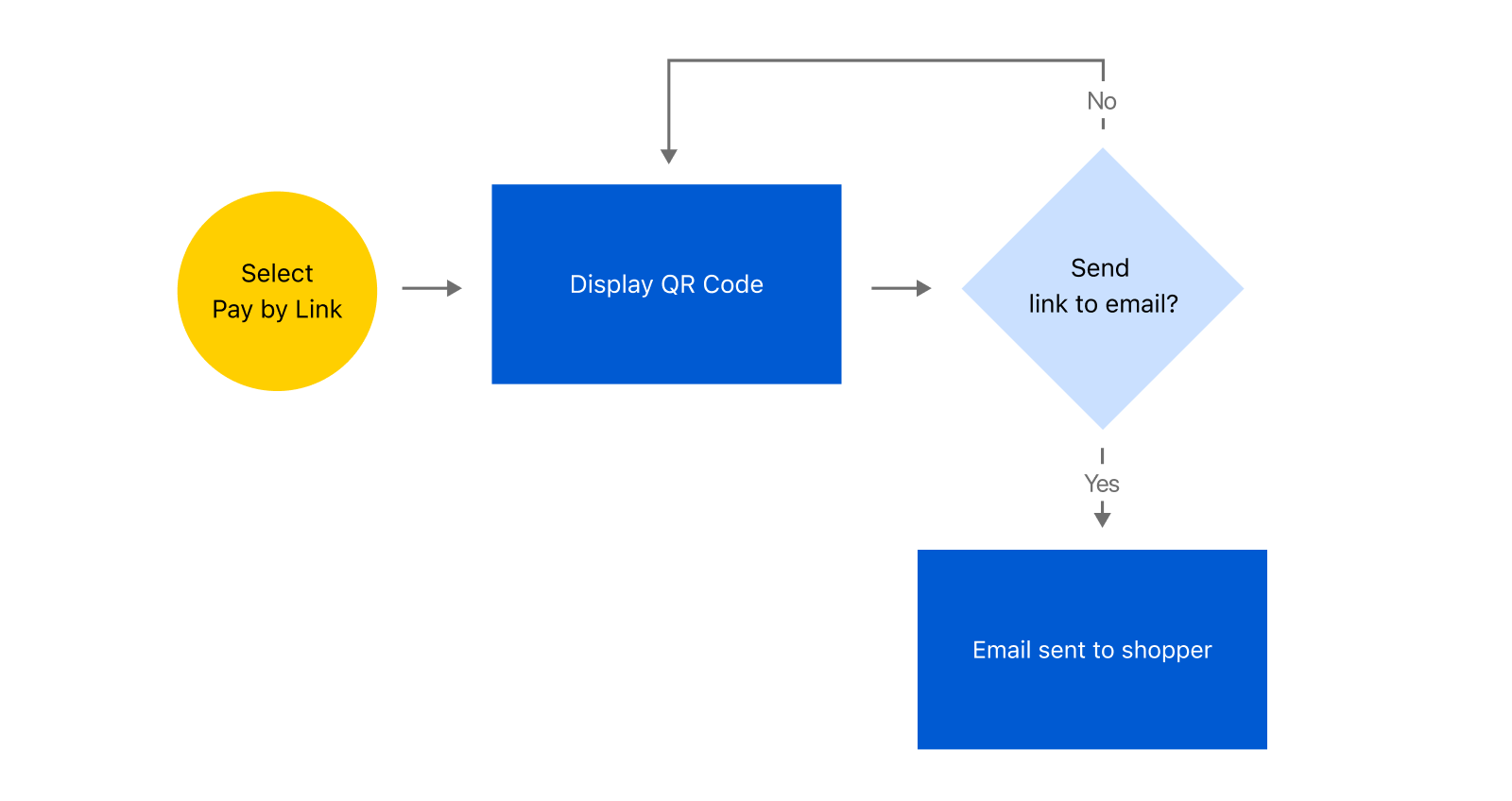
I designed a user flow to understand how our users will use Pay by Link, and what steps they would take to complete the journey.
This helped inform our lo-fidelity wireframes in understanding users’ paths, key elements, and hierarchy.
Mid-fidelity Prototype
With a firm understanding of the user journeys on both sides, we crafted a prototype for testing
How do our stores feel about it?
We wanted to know how stores felt about guiding customers through both payment flows (QR Code and email). So I led and supported user tests of the early design
Concept Testing 3 US, 5 UK
With US stores leading in excitement, we learned that stores are willing to use the payment method
But there are major concerns to address
Addressing concerns
Email path risk
We learned that the email path is concerning for the following reasons;

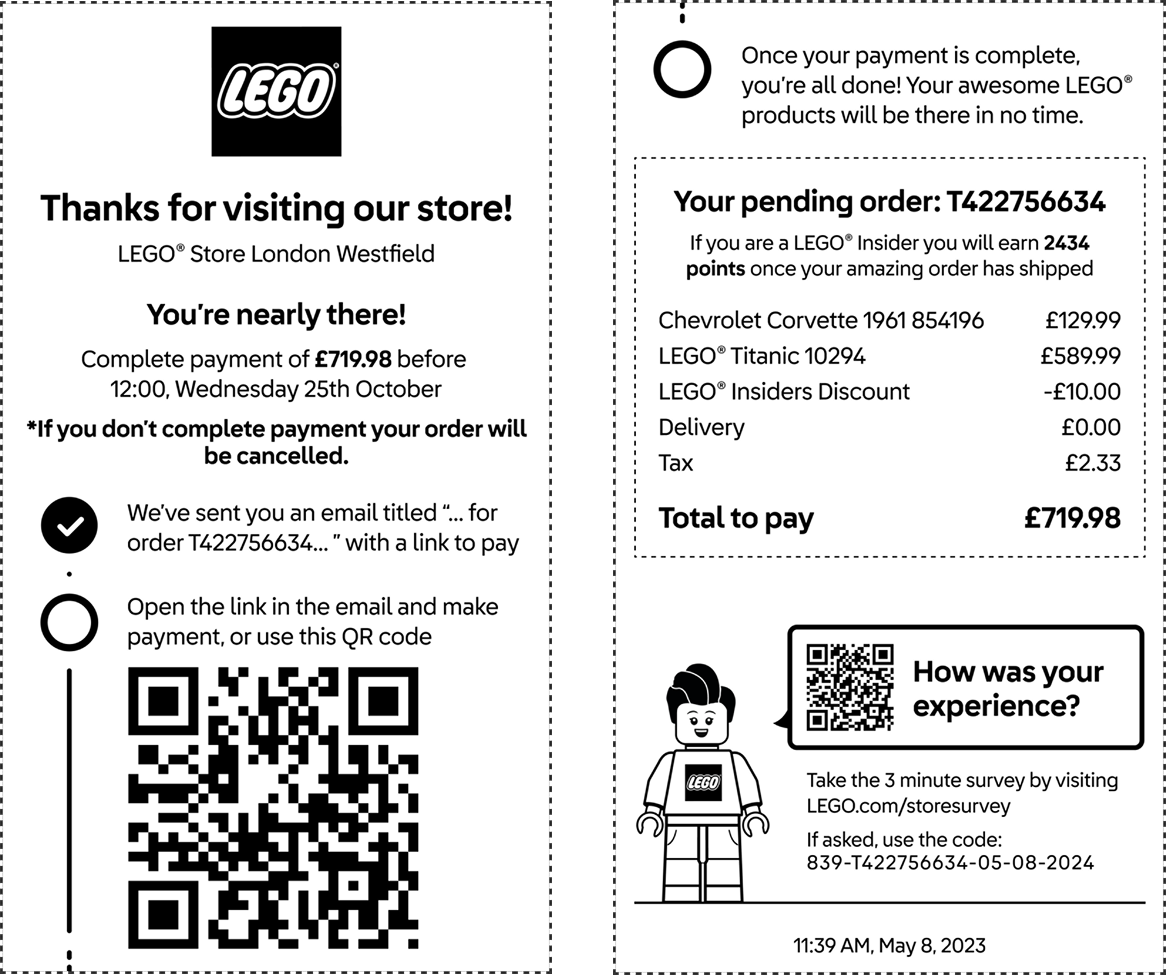
Once a customer paying via email has left the store, associates have no means to ensure payment completion. The risk of failure and customer dissatisfaction makes stores uncomfortable to use this path
How much time should customers have to complete payment? Too much time could lead to operational risks as reserved orders reduces stock for other buyers. Raising concerns for our logistics department
Lowering the incompletion risk
I designed a printable instruction ticket that can be given to customers as a physical reminder and guide to complete payment. When shown this ticket, store associates felt more assured
 Send email
Link expires in 24 hours
Customers have 24 hours
We asked customers, store associates and stakeholders how long the payment link should last but responses were inconsistent
24 hours appeared short enough to not bottleneck logistics, and long enough for customers to make payment
After implementation we plan to learn what all our stakeholders feel about the purchasing window
Final design
User flow
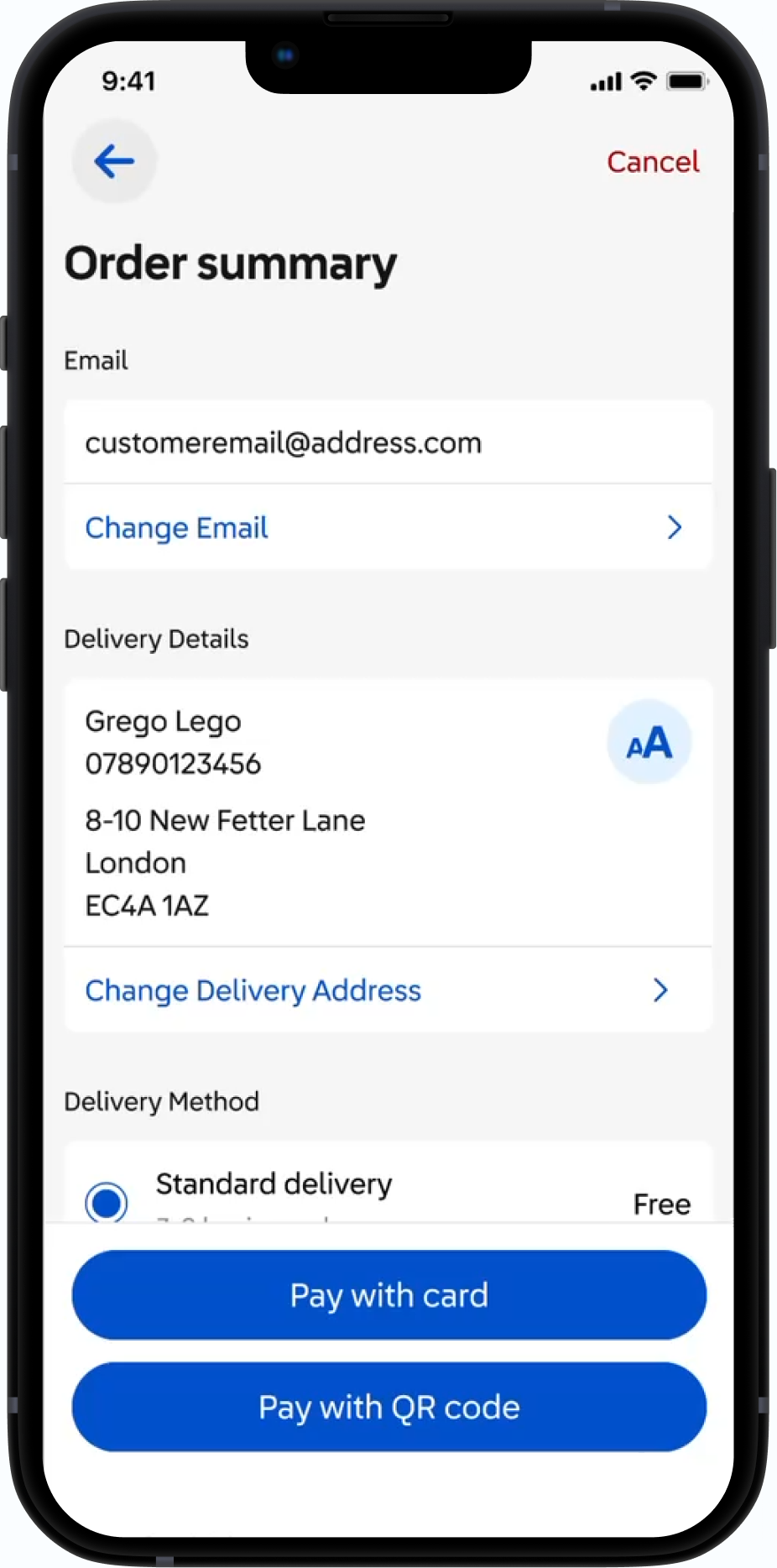
It sometimes takes LISA a few seconds before creating the QR Code. So I designed a loading state to subtly communicate the code was generating
Stores are satisfied with Pay by Link but how would our customers feel in an actual experience?

Validation
Moderated Usability Tests
5 UK Customers
We crafted a mock-up store to simulate the shopping experience and tested with 5 customers of varying age groups, sex and affinities.
I supported my senior in introducing the sessions and briefing our users.
Though participants were new to the payment method, they trusted the LEGO® brand to guide them through completion
Summary
From the survey, early concept testing and moderated usability tests we learned that;
Customers feel confident using QR codes or email links to pay and even when unconfident, they trust the LEGO® brand to get them to payment completion
Store Associates are willing to use Pay by Link to help customers and though payment completion in-store is more desirable, the printable instruction ticket makes them feel less worried about it
Outcome
Pay by Link was successfully validated and implemented. It’s now being used by stores across the world
In 2024, stores worldwide used LISA to fulfill 17,800 orders and 25% through Pay by link (4,450)
Reflections
What I learned
Facing politics in design
Strong opinions towards LISA by regional managers raised our suspicion when store associates shared the same sentiments without being able to expand on ‘their experience’
This taught me the importance of verifying user experience through direct testing